


 Infertility Solutions
 Tubal Block or any other defect ovarian dysfunctions like PCOD, Cyst, Pelvic Endometriosis.
Male infertility may be caused by low sperm count, abnormal sperm, failure to ejaculate, exposing the testes to high temperatures and blocked sperm ducts.
Infertility is not always a female problem. Approximately 30% cases are due to male infertility, 30% female infertility and the remaining 40% unexplained causes of various factors involving both partners.
In general, the male fertility process involves the production of healthy and mature sperm and getting the sperm to reach and fertilize an egg. Some men become infertile mainly because of abnormalities and defects in the male reproductive system. The following are some common causes of male infertility.
Low Sperm Count
Low sperm count is a major cause of male infertility. The normal range of sperm count is between 35 and 200 million sperm per milliliter of semen. An infertile man may have none to lower than the average number. There are no visible symptoms for this problem and most affected men will not know about it until tests have been carried out.
Abnormal Sperm
Some men have sperm that are not properly formed. The abnormally shaped sperm causes difficulty to fertilize an egg. Another type of abnormal sperm are sperm with low mobility. That means the sperm cannot travel fast or agile enough to reach the egg.
Failure to Ejaculate
Some men are infertile because of failure to ejaculate. During intercourse, these men suffer from retrograde ejaculation, where the semen is ejaculated backwards into the bladder instead of the vagina. Without sperm, egg fertilization and implantation cannot take place.
Exposing Testes to High Temperatures
Exposing the testes to high temperatures can affect the ability of the sperm to move and fertilize an egg. For instance, men with cryptorchism have testicles that do not descent into the scrotum. That means the testes are still inside the body cavity, which has a higher temperature than the external scrotum.
Men who wear tight underwear and pants also expose their testes to high temperatures. Another condition that raises the temperature in the testes is varicocele, or enlarged veins, in the scrotum.
Blocked Sperm Ducts
Blocked sperm ducts are also to blame for male infertility. A small number of men have vas deferens or sperm ducts that are blocked or damaged. This prevents the sperm from reaching the partner’s egg. Blocked sperm ducts can be a result of an infection such as mumps, injury to the testicles, congenital defects or a vasectomy.
Some men become infertile for a number of reasons. Low sperm count, abnormal sperm, failure to ejaculate, exposing the testes to high temperatures and blocked sperm ducts have been identified as the common causes of male infertility.
Causes of Failure to Ovulate
Ovulatory disorders are one of the most common reasons why women are unable to conceive, and account for 30% of women's infertility. Fortunately, approximately 70% of these cases can be successfully treated by the use of drugs such as Clomiphene and Menogan/Repronex. The causes of failed ovulation can be categorized as follows:
Causes of Poorly Functioning Fallopian Tubes
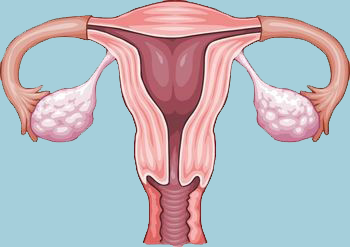 Tubal disease affects approximately 25% of infertile couples and varies widely, ranging from mild adhesions to complete tubal blockage. Treatment for tubal disease is most commonly surgery and, owing to the advances in microsurgery and lasers, success rates (defined as the number of women who become pregnant within one year of surgery) are as high as 30% overall, with certain procedures having success rates up to 65%. The main causes of tubal damage include:
(1) Infection
Caused by both bacteria and viruses and usually transmitted sexually, these infections commonly cause inflammation
resulting in scarring and damage. A specific example is Hydrosalpnix, a condition in which the fallopian tube is occluded at both ends and fluid collects in the tube.
(2) Abdominal Diseases
The most common of these are appendicitis and colitis, causing inflammation of the abdominal cavity which can affect the fallopian tubes and lead to scarring and blockage.
(3) Previous Surgeries
This is an important cause of tubal disease and damage. Pelvic or abdominal surgery can result in adhesions that alter the tubes in such a way that eggs cannot travel through them.
(4) Ectopic Pregnancy
This is a pregnancy that occurs in the tube itself and, even if carefully and successfully overcome, may cause tubal damage and is a potentially life-threatening condition.
(5) Congenital Defects
In rare cases, women may be born with tubal abnormalities, usually associated with uterus irregularities.
Endometriosis
Approximately 10% of infertile couples are affected by endometriosis. Endometriosis affects five million US women, 6-7% of all females. In fact, 30-40% of patients with endometriosis are infertile. This is two to three times the rate of infertility in the general population. For women with endometriosis, the monthly fecundity (chance of getting pregnant) diminishes by 12 to 36%. This condition is characterized by excessive growth of the lining of the uterus, called the endometrium. Growth occurs not only in the uterus but also elsewhere in the abdomen, such as in the fallopian tubes, ovaries and the pelvic peritoneum. A positive diagnosis can only be made by diagnostic laparoscopy, a test that allows the physician to view the uterus, fallopian tubes, and pelvic cavity directly. The symptoms often associated with endometriosis include heavy, painful and long menstrual periods, urinary urgency, rectal bleeding and premenstrual spotting. Sometimes, however, there are no symptoms at all, owing to the fact that there is no correlation between the extent of the disease and the severity of the symptoms. The long term cumulative pregnancy rates are normal in patients with minimal endometriosis and normal anatomy. Current studies demonstrate that pregnancy rates are not improved by treating minimal endometriosis.
Additional Factors
(1) Other variables that may cause infertility in women:
(2) Behavioral Factors:
It is well-known that certain personal habits and lifestyle factors impact health; many of these same factors may limit a couple's ability to conceive. Fortunately, however, many of these variables can be regulated to increase not only the
chances of conceiving but also one's overall health.
(3) Environmental and Occupational Factors:
The ability to conceive may be affected by exposure to various toxins or chemicals in the workplace or the surrounding environment. Substances that can cause mutations, birth defects, abortions, infertility or sterility are called reproductive toxins. Disorders of infertility, reproduction, spontaneous abortion, and teratogenesis are among the top ten work-related diseases and injuries in the U.S. today. Despite the fact that considerable controversy exists regarding the impacts of toxins on fertility, four chemicals are now being regulated based on their documented infringements on conception.
One or both fallopian tubes, which carry the ovum from the ovary to the uterus, is obstructed and/or does not function properly preventing the sperm and egg from meeting. Can also include women who have undergone a tubal ligation. Tubal ligation or patients with only one blocked fallopian tube do not qualify for funding under OHIP.
Treatment Options
What You Need to Know
Currently, the Ministry of Health, Province of Ontario, will fund three lifetime IVF treatments for a female with blocked fallopian tubes.
Abnormal ovulation which is indicated by irregular or absent menstrual periods often the result of hormonal imbalance.
Treatment Options
What You Need to Know About Coverage!
Cost for IUI/ OI
Ovulation Induction (OI) and Artificial Insemination (AI) are services covered under OHIP. However the lab fee for sperm preparation is not covered and therefore is billable.
Drug coverage varies widely from one insurance carrier to another. Some drug insurance plans cover a limited number of trials and some have a limited dollar value.
Drug costs are significantly more for in vitro fertilization cycles than insemination cycles. You should investigate your coverage before beginning any drug protocol.
All rights reserved © Dr.Bibek Mohan Rakshit,2016. Designed & promoted by: .png)